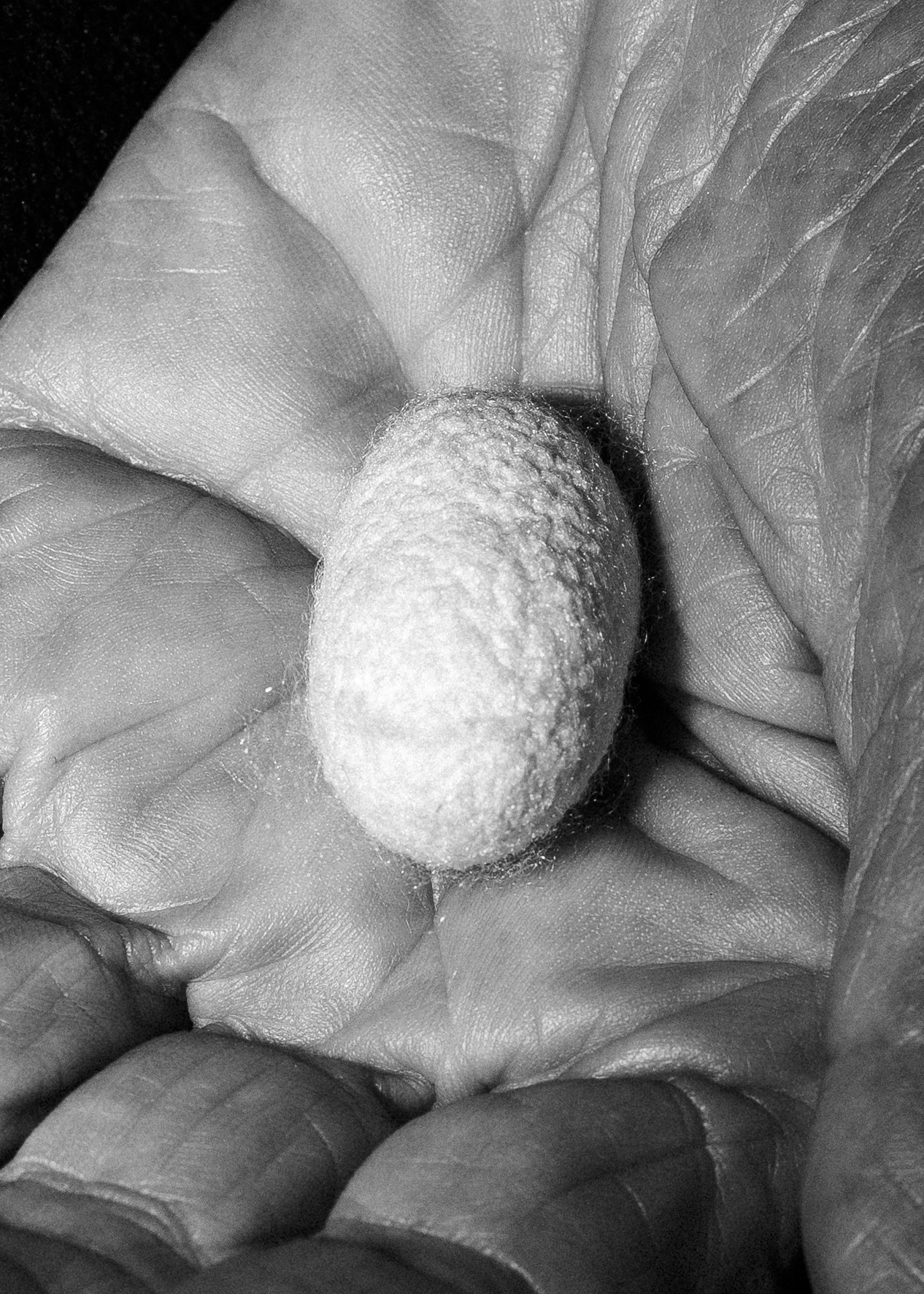
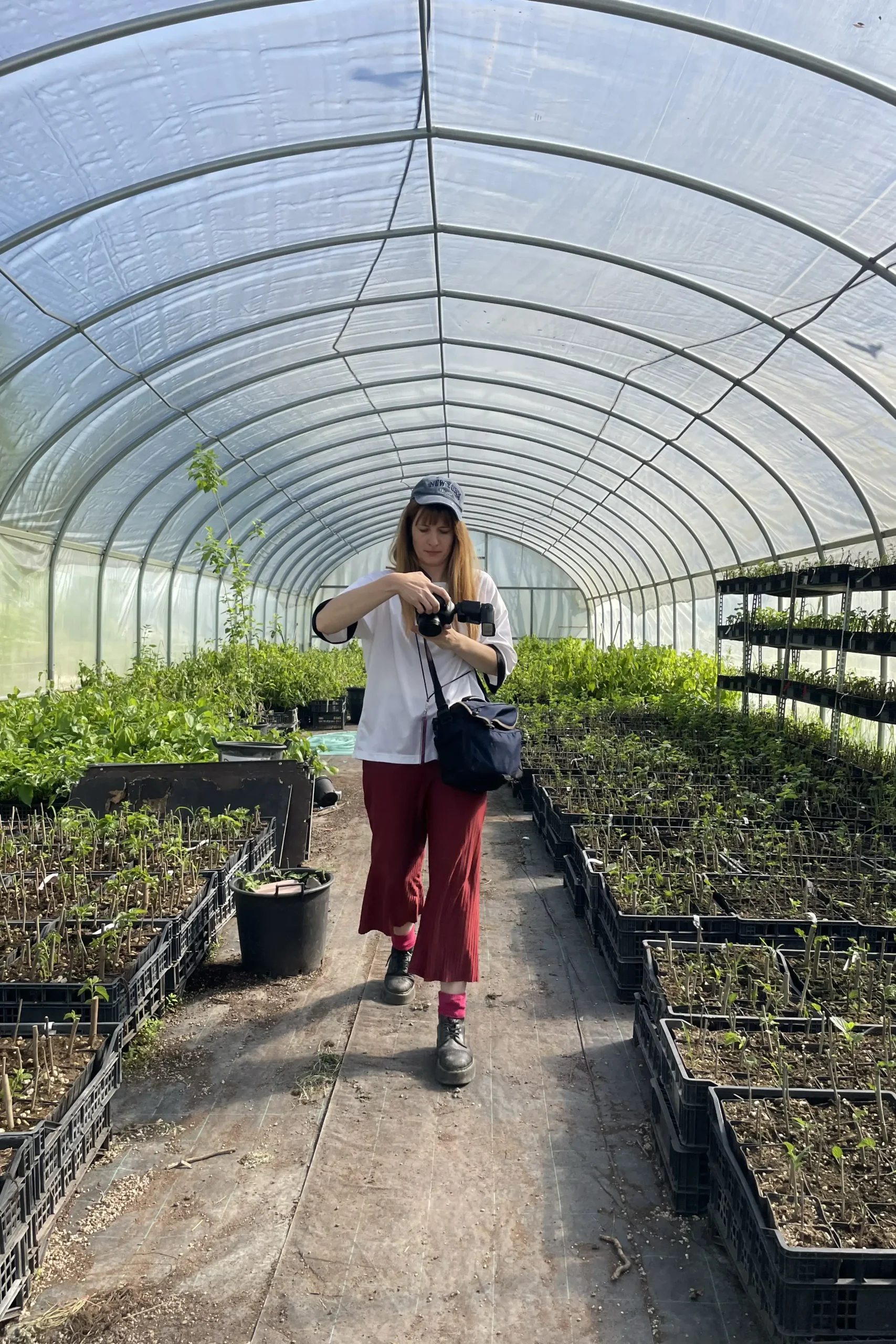
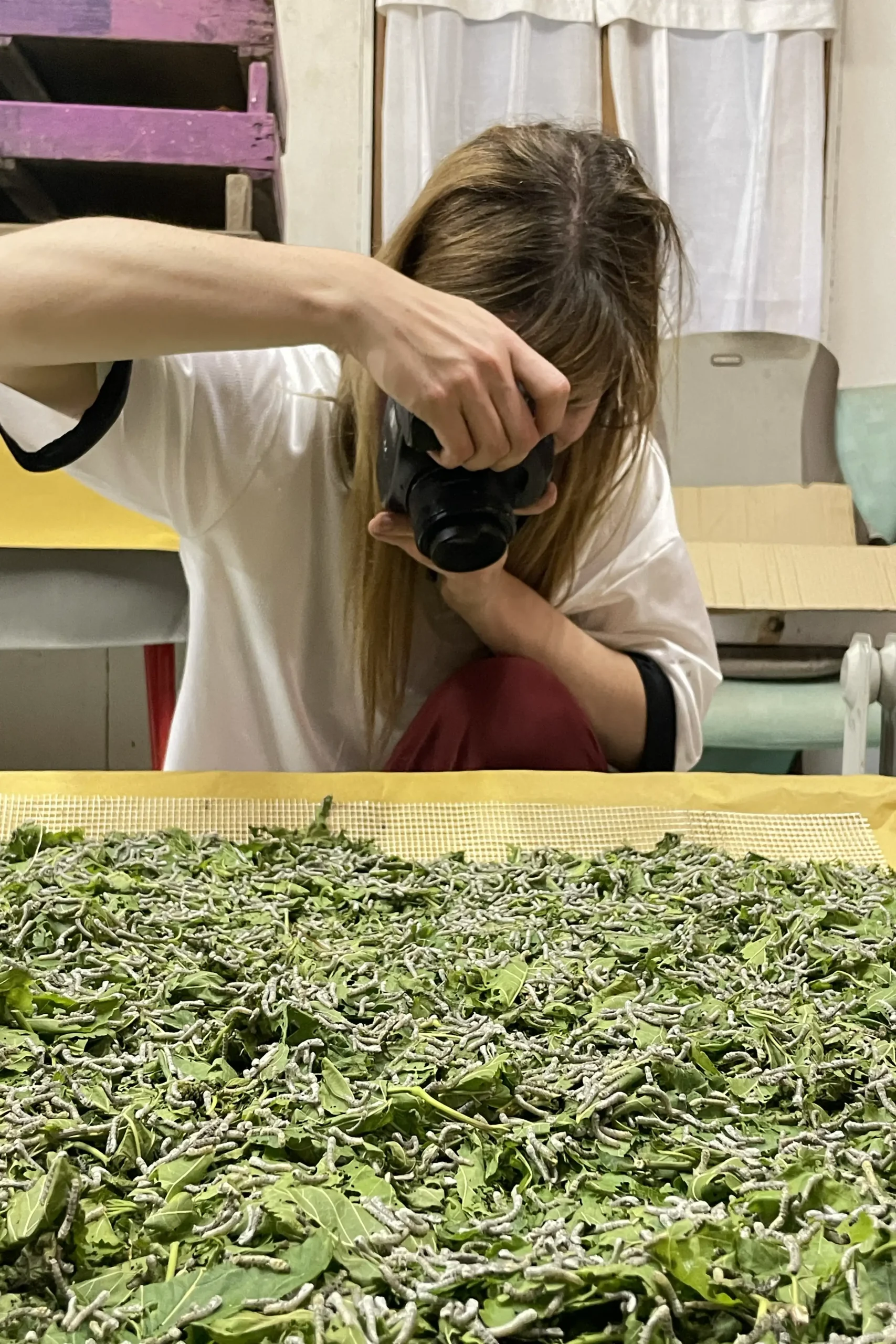
How is a truth created? Is it what happens, or what we choose to remember? Is it the sum of facts, or the direction a life might have taken? Fulminaria arises from these questions, from a fissure between document and imagination, between what remains and what might have been. With this work, Lorraine Hellwig opens a breach in the time and space of the Filanda, giving voice and form to a forgotten possibility: the secret existence of a collective of women artists active among the mill workers in the 1950s.
Through a site-specific photographic structure, Hellwig constructs an architecture of memory in which biography, politics, and myth intertwine. The work is the result of an investigation into fragmentary archives, letters, recurring symbols, and anonymous photographs. But it is also an alternative narrative, a parallel history stitched into the interstices of official history. Fulminaria is, at once, fiction and memory. It does not claim an absolute truth, but makes visible a possibility: that within the folds and interlacings of labor, within the daily gestures of women, an artistic and radical utopia might have emerged.
Five figures surface from this hypothetical universe: distinct voices yet deeply connected, presences that traverse history like broken yet interwoven lines. They write, sing, organize, cultivate, imagine. Some graft trees as if they were slow sculptures; others translate daily fatigue into unsent letters, shared notes, and artistic gestures that evade names and conventions. One moves from the mill to the Situationist International, another anticipates pictorial gestures later signed by others, another joins revolutionary movements, one disappears into the hills of Trissino carrying an unfinished idea, another carves in silence, held back by care and the weight of dreams left in a drawer. Their stories are not complete biographies, but fragments, echoes, possibilities that reflect on the surface of the work like on a sensitive skin.
In Fulminaria, Hellwig does not seek a truth to restore, but evokes the potential of what never was: an alternative genealogy, a constellation of parallel existences. The imagined collective becomes a symbol of sisterhood and silent resistance, a desire for expression within a context that did not allow it. The star-like signs traced in old photographs, letters, and graffiti take shape as a code of recognition among those who chose to create in the shadows.
The work thus inhabits a hybrid space, between archive and invention, between document and dream. It is a fragile yet powerful construction, a porous architecture where every surface retains the memory of those who wished to be there. Photography becomes a temporal threshold, a window through which to observe not the past as it was, but the past as it could have been—as if time itself, for a moment, had allowed another story to pass through it.
Fulminaria is an alternative memory, an invented yet deeply truthful sisterhood—a truth that does not need to have happened in order to leave a trace.